



Dr. Kenney’s Friday 5 Spot
On Fridays, I like to share experiences from my week—both with patients and in my personal life—that have left a meaningful impact. My hope is that these reflections offer you something of value, a bit of insight or encouragement that resonates with your own journey and inspires you in some way.
A common condition. Recently I overheard a woman in a grocery store telling someone on the phone she’d forgotten her recycling bags. Over the next 25 minutes, I passed her several more times and she was still talking about the bags. It wasn’t a major problem, but she simply couldn’t let it go. I see versions of this all the time professionally and personally and call it “Talk-too-much-itis.” This means rehashing a problem long after speaking about it has stopped being useful. Processing something can be healthy, but eventually talking without action just keeps us stuck.
The cure is shifting from the “should-be world” to the “real world.” The should-be world focuses on why something happened, who’s responsible, or why it isn’t fair. The real world accepts what happened and asks, “What do I do now?” If your house was flooding, you wouldn’t stand around discussing the water or why it shouldn’t be gushing from a pipe, you’d react. Life often requires the same approach. Feel it, learn from it, then get to work. At some point, stop pondering what should have happened and start dealing with what did.
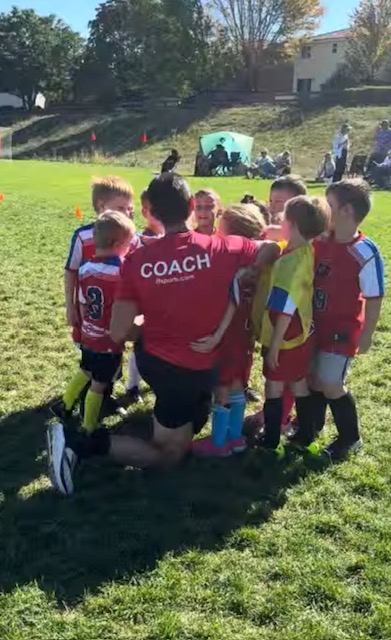
Be aggressive! As a youth sports coach, I often hear parents yell, “Be aggressive!” I agree with the message, but I don’t think it’s that simple. We’re naturally more hesitant when we don’t fully understand what we’re doing. We must recognize what’s happening, process it, decide how to respond, and then act. Simply telling someone to do all of that faster doesn’t necessarily help. That’s why my approach is to create aggression through repetition, which eventually creates confidence.
The more we practice something, see it, and experience it, the more familiar it becomes. Eventually we stop thinking so much and start reacting. That confidence allows us to move faster, take chances, and act decisively. The same principle applies far beyond sports. If you want to be bolder in business, relationships, athletics, or any other pursuit, don’t just tell yourself to be more aggressive. Learn more, practice more, and prepare more. Confidence creates decisiveness, and decisiveness you will find often looks a lot like “aggression.”
My ceiling, their floor. With four children, I frequently see them emulating my habits. These include exercise, eating, reading, work ethic, faith, punctuality, and more. I rarely lecture them about the importance of these things; they simply see me do them often enough that they assume they matter. That’s a sacred responsibility and a powerful reminder for me as a father that my ceiling can become the floor for my children. The standards we consistently live by often teach our kids more than the lessons we intentionally give them.
That’s one reason I want my children to see me do hard things, chase big goals, keep learning, work hard, and refuse to quit when things get difficult. The more they witness those behaviors, the more normal they become to them. My hope is that someday, when one of my kids faces something that feels overwhelming, they remember something difficult they watched me do and think, “If Dad could do that, maybe I can do this.” One of the greatest gifts we can give our children is a higher definition of what’s possible.
Get comfortable being uncomfortable. Something I like to do periodically is intentionally increase my level of discomfort. This week, I’m getting up even earlier, taking only cold showers, increasing the duration and intensity of my workouts, and eliminating certain foods. To some, that probably sounds like punishment, but I see tremendous value in occasionally choosing the harder path. Comfort is wonderful, but too much of it can quietly lower our tolerance for anything that isn’t easy. Small inconveniences become bigger problems, complaints come easier, and things we once appreciated start feeling ordinary.
Purposely doing difficult things helps reset that perspective. Rest feels better after hard work, a good meal means more after going without, and water tastes incredible when you’ve truly been thirsty. More importantly, voluntarily facing discomfort gives us practice for the challenges we don’t get to choose. The goal isn’t to make life miserable; it’s to remind yourself that you can handle being uncomfortable without immediately needing an escape. Manufacture a little discomfort when life is good, and you’ll be better prepared when life hits you with some unexpected bad.
Some quotes I Love.
“You don’t have to be everyone’s butterfly. Be a bee. Mind your business, make your honey, and sting people when necessary.”
“The standard doesn’t change because you’re tired.” – Ray “Cash” Care
Want more?
- For videos and more, follow us on Instagram @littletonchiropractor and Facebook @New Body Chiropractic
- Schedule online through our website at www.newbodychiro.com
- Help us spread the word by giving us a review: https://g.page/r/
CZfQ9YXvQhaDEAE/review