



Dr. Kenney’s Friday 5 Spot
On Fridays, I like to share experiences from my week—both with patients and in my personal life—that have left a meaningful impact. My hope is that these reflections offer you something of value, a bit of insight or encouragement that resonates with your own journey and inspires you in some way.
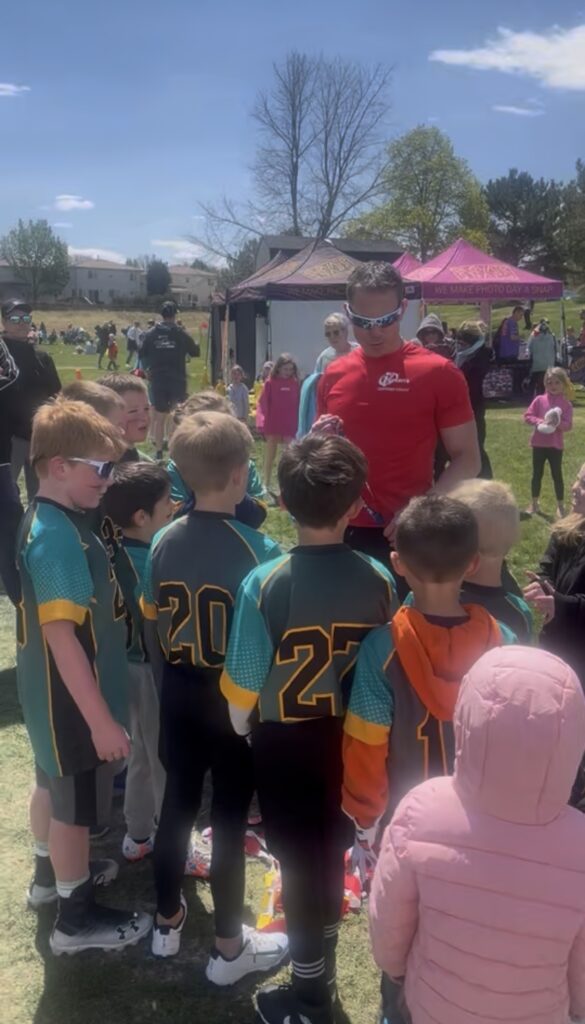
Something important. Throughout years of coaching, I’ve learned to watch for what I call “flashes.” These are small, unexpected moments when a player shows a skill, instinct, or level of energy that stands out. It might be a great decision, a burst of effort, or a display of leadership they didn’t even realize they had. When I see those flashes, I make a point to build on them by giving that player more opportunities to use that strength, grow their confidence, and contribute more. It’s incredible how often one small moment, when recognized and reinforced, can transform into something consistently impactful. The same principle applies in life.
If you think back to challenging moments you’ve faced, there are likely instances when you responded better than expected by showing resilience, courage, or clarity under pressure. Those were flashes. They are evidence of what you’re capable of, even if it doesn’t feel like your default yet. Instead of brushing them off, take notice and build on them. Confidence and growth don’t usually appear all at once; they develop by recognizing small wins and choosing to repeat them. When you surprise yourself in a positive way, don’t ignore it. Instead, lean into it because that’s often where your next level begins.
A crucial concept. Something I am fond of saying is that “everything can’t be treated like a fire.” We’ve all encountered leaders who react to every issue with panic, frustration, or urgency. To them, it’s as if every situation is critical and demands an over-the-top response. Over time, that approach loses its impact. When everything is treated as an emergency, nothing truly stands out as one. Instead of creating clarity, it creates noise, and people begin to tune it out. Effective leadership requires the ability to distinguish between true urgency and what simply requires steady attention.
The strongest leaders tend to share a few simple qualities. They remain calm under pressure, treat others with respect, stay loyal to their people, and lead through consistent action rather than emotion. When you operate this way, people trust your judgment and become more willing to follow your lead. On the other hand, constant overreaction signals instability and quickly erodes confidence. Not every problem needs a dramatic response because most require patience, perspective, and composure. When you learn to respond with a measured approach instead of reacting emotionally, you create an environment where real leadership can take hold and meaningful progress can be made.
An important distinction. The words “simple” and “easy” are often used interchangeably, but they’re very different. Simple means something is straightforward and uncomplicated, while easy suggests it requires little effort or resistance. That distinction matters, because many of the most important behaviors in life are simple but rarely easy. The path forward and necessary steps are usually clear; the challenge lies in consistently choosing them, especially when it requires discipline, patience, or discomfort.
Habits like eating well, exercising, treating others with respect, and managing finances responsibly are all simple in concept. When practiced consistently, they lead to powerful results. However, emotions, distractions, and endless options can make those same choices difficult in the moment. That’s where many people fall off track. It isn’t that they don’t know what to do, it’s because doing it isn’t always easy. Understanding this helps set the right expectations. Success isn’t about finding a complex formula; it’s about committing to simple actions, even when they’re inconvenient.
Something I believe. Routine shapes our lives more than we often realize. It’s built from the small, repeated actions we take each day such as when we wake up, how we prepare, how we care for our bodies, what we consume, and how we interact with others. Because of that, a powerful question to ask is, “Is my routine my friend or my enemy”? In other words, are the habits you repeat daily moving you closer to your goals or quietly holding you back? The answer isn’t found in what you do occasionally, but in what you do consistently.
If your routine helps you become more efficient, reduces stress, improves results, and allows you to prioritize what matters most, then it’s working for you. If not, it’s working against you. The good news is that routines aren’t fixed, they are built and refined over time. Thus, you don’t need to overhaul everything at once. Start by improving one key area, then build from there. Small, intentional changes compound quickly. Over time, those adjustments create a disciplined routine that not only supports your goals but makes achieving them feel more natural and sustainable.
Some quotes I Love.
“Never regret anything that has happened in your life, it cannot be changed, undone, or forgotten. So take it as a lesson learned and move on.”
“It’s just a bad day, not a bad life.” – Eric Thomas